

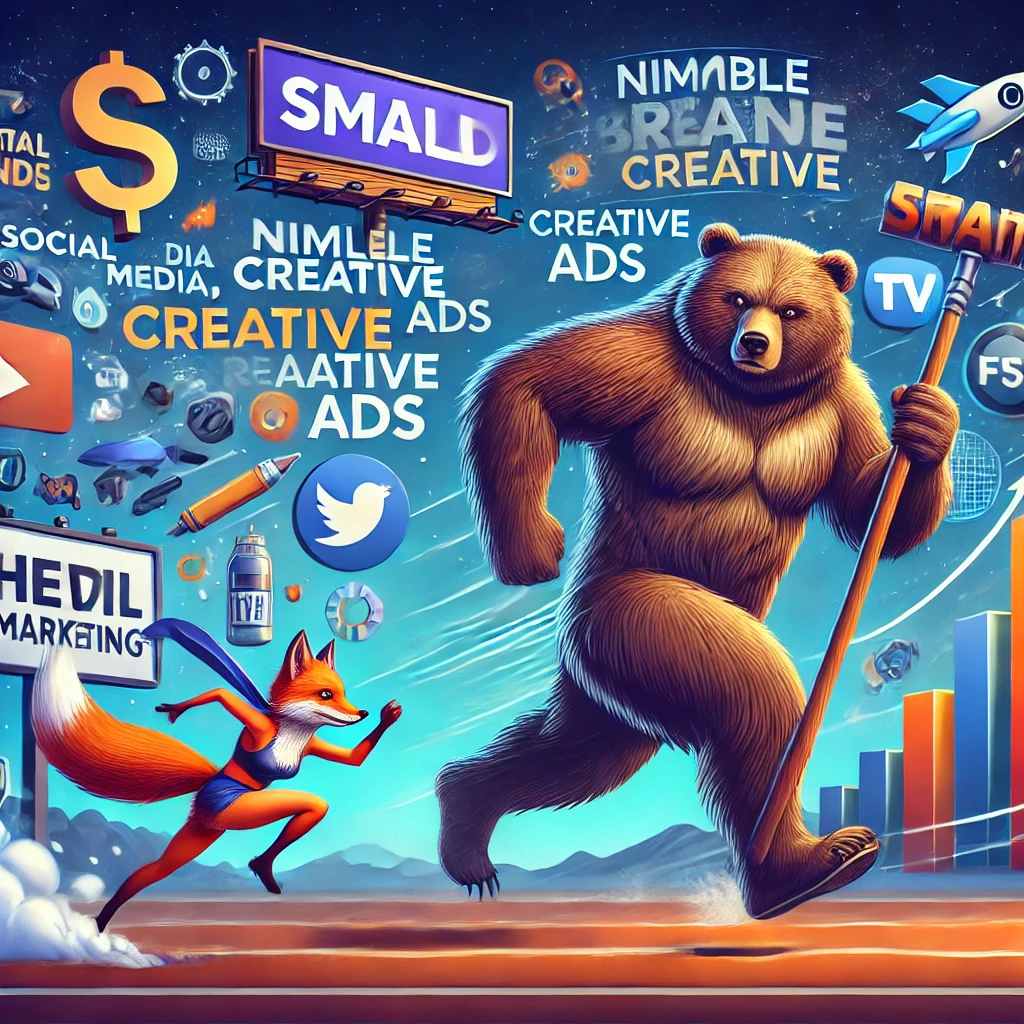
Have you ever felt like a small fish swimming in a sea of sharks? Competing with big brands can feel like that. They have massive budgets, celebrity endorsements, and, let’s face it, they can throw money around like confetti. But guess what? David did beat Goliath, and you can too! In fact, being small has its perks – agility, authenticity, and a better chance of finding your lost keys.
When you're a small brand competing against the corporate Goliaths of the world, it might feel like you’re bringing a butter knife to a bazooka fight. But here’s the good news: size doesn’t matter—strategy does. Small brands have ninja-like agility, which, paired with clever tactics, can knock those big brands off their pedestals.
So, buckle up, small brand warriors! Here’s how you can outsmart, out-market, and outshine the big guys without needing a billionaire’s bank account.
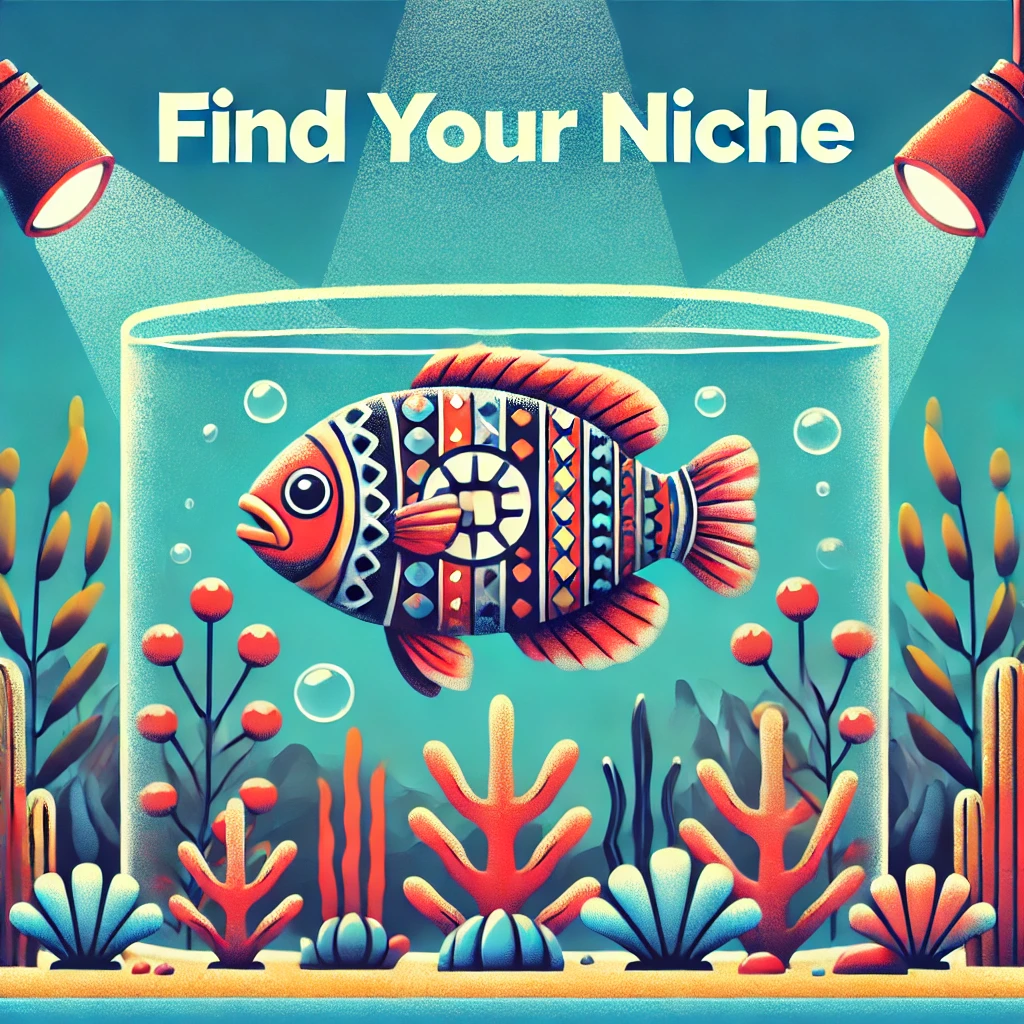
Find Your Niche – Be a Big Fish in a Small Pond
Big brands often go broad to appeal to everyone. You, my friend, have the freedom to go narrow and deep. The quickest way to stand out? Specialize. While big brands try to please everyone, you can become the go-to for something specific. Are you selling hand-crafted eco-friendly pet toys? Lean into that. It’s easier to dominate a smaller, targeted market than to compete for everyone’s attention.
Funny Take: Big brands are like that friend who orders a “safe” margherita pizza at a party. You? You’re the one who brings a wood-fired truffle mushroom pizza that has everyone talking.

Be the King (or Queen) of Local SEO
Big brands aim for the whole world; you just need to win over your neighborhood first. Focus on local SEO to dominate your area. Claim your Google My Business profile, get reviews from happy customers, and use keywords like “best coffee shop in [Your Town]” or “the only bakery that knows how to spell your name right.”

Be Human on Social Media
While big brands post generic, polished content, you can post memes, behind-the-scenes bloopers, and authentic stories. Engage with your audience. Reply to their comments, share user-generated content, and don’t be afraid to be funny.
Example:
Big Brand: "Our new collection is here. Shop now!" You: "Our new collection is here, and we’re so excited we might faint. (But not before shipping your orders, promise.)"

Collaborate and Partner
If you can’t beat ‘them, partner up – not with the big brands, but with other small businesses. Team up for promotions, co-host events, or create bundled offerings. Collaboration is the secret sauce for mutual growth. Team up with influencers, other small brands, or even your customers to amplify your reach. Collaborations can be mutually beneficial and cost-effective. Remember, small fish swimming together scare off the sharks. Team up with other small businesses for co-branded campaigns or events.
Example:
A small coffee shop and a local bakery can join forces to offer “Coffee & Croissant” mornings. It’s like the Avengers, but tastier.

Tell a Story That Sticks
Storytelling is one of the most powerful tools in marketing. Small brands can focus on telling their unique story—why they started, what they stand for, and how they’re making a difference. A good story can outshine even the flashiest of ads.
Knowledge Bomb: Humans are wired for stories. Studies show our brains light up like Christmas trees when we hear a compelling narrative. Use this to your advantage.
Being a small brand competing against the giants isn’t easy, but it’s not impossible either. With creativity, authenticity, and a dash of humor, you can carve out your own space and win the hearts of your audience. Remember, it’s not about having a big budget; it’s about having a big heart (and a good Wi-Fi connection).
Small brands may not have billion-dollar budgets, but you have something far more valuable: heart, hustle, and a closer connection to your audience. By leveraging your strengths and staying authentic, you can outwit the big guys and build a loyal tribe of fans.