

We deploy world-class Creative
on demand.
Get Update
5 Tips to Create an SEO-Optimized Website That Ranks on Google

Creating an SEO-optimized website that ranks on Google requires a strategic approach. Start by researching and using the right keywords. Keywords are the foundation of SEO, helping Google understand your website's content and purpose. Use tools like Google Keyword Planner or Ahrefs to identify high-volume, low-competition keywords and incorporate them naturally into your titles, headings, meta descriptions, and content.

Next, focus on optimizing your website structure. A clean structure with a clear menu, internal linking, and a mobile-friendly, responsive design ensures that Google can easily crawl your site and improves the overall user experience. Also, ensure your URLs are short, descriptive, and relevant to the content.

Research and Use the Right Keywords
Why It Matters: Keywords are the foundation of SEO. They help Google understand what your website is about.
How to Do It:
Use tools like Google Keyword Planner or Ahrefs to find high-volume, low-competition keywords.
Focus on long-tail keywords that match user intent.
Add keywords naturally in titles, headings, meta descriptions, and content.
Example: Instead of "Shoes," target "Affordable running shoes for men."
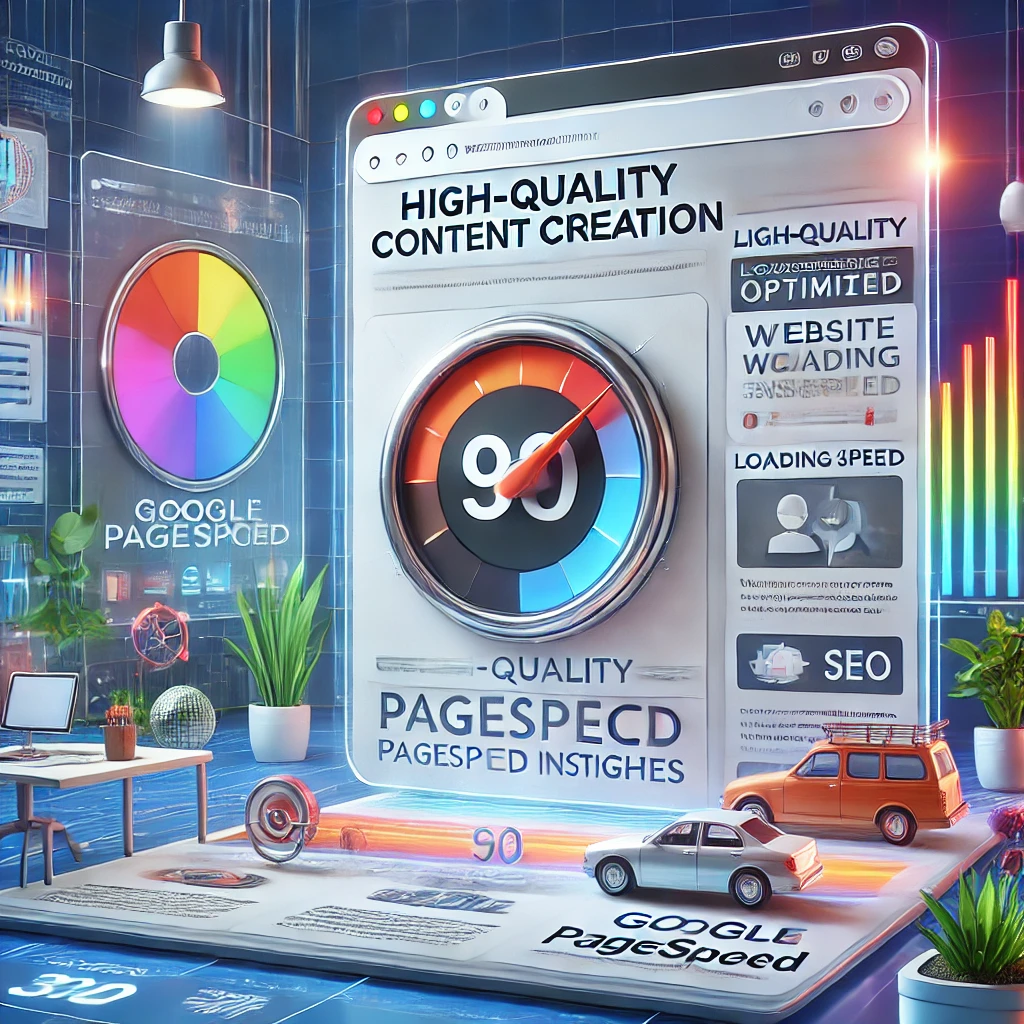
The third essential tip is to create high-quality content. Google prioritizes websites that provide valuable, original, and engaging information to users. Regularly update your site with fresh articles, blog posts, or videos tailored to your audience's needs. Additionally, work on improving your website’s loading speed and performance. Slow websites can lead to a higher bounce rate, which negatively impacts SEO. Use tools like Google PageSpeed Insights to identify and resolve speed-related issues.
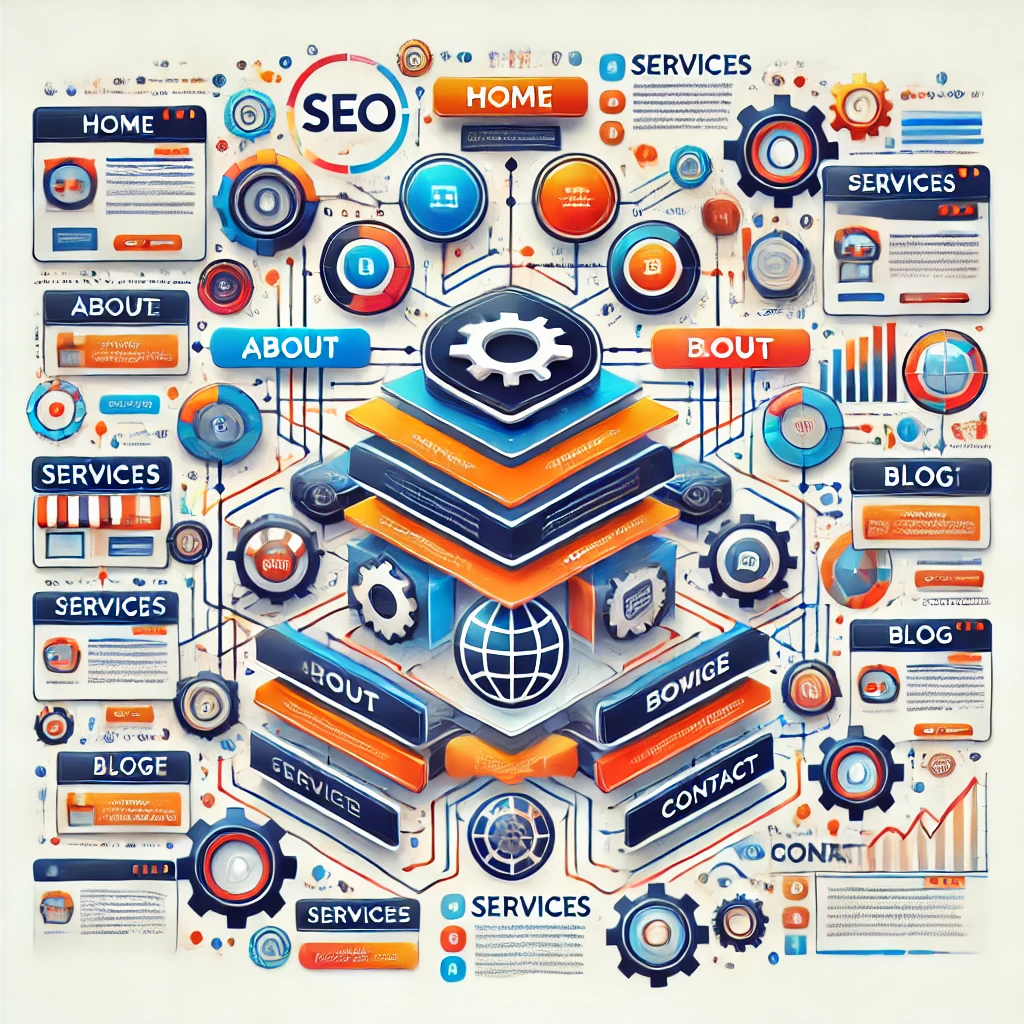
Optimize Your Website Structure
Why It Matters: A clean structure helps Google crawl your site and improves user experience.
How to Do It:
Use a clear menu and internal linking to guide visitors to important pages.
Implement a mobile-friendly, responsive design since Google prioritizes mobile-first indexing.
Use short and descriptive URLs (e.g.,
yourwebsite.com/seo-tips).

Finally, focus on building backlinks from credible and relevant sources. Backlinks signal to Google that your website is authoritative and trustworthy. You can achieve this by collaborating with other sites, guest blogging, or creating shareable content. By consistently applying these five tips—keyword optimization, structured design, quality content, faster loading speeds, and backlinks—you’ll improve your chances of ranking higher on Google and attracting more visitors to your website.